FEED PROCESSING
EQUIPMENT SOLUTIONS
FROM SUDENGA
If you produce grain, you may have wondered whether it makes sense to turn more of it into feed yourself. Maybe you haul grain to an elevator, purchase finished feed elsewhere and have it delivered back to your livestock sites. That can mean more hauling, more outside processing and less control over a major operating cost. Building or upgrading an on-farm feed mill offers another option.
If that sounds familiar, the first step is not choosing equipment. It is deciding what you want to improve and whether the numbers support a change.
Why make your own feed?
The main reason producers explore on-farm feed manufacturing is simple: it may make better business sense.
When you can process your own grain where it will be used, you may be able to shorten the trip between harvest and finished feed. That can offer several advantages:
- Use more of your own grain in your livestock operation
- Reduce outside grinding and mixing
- Cut down on transportation and handling
- Make feed according to your production schedule
- Adjust the system as livestock numbers or ration needs change
Biosecurity is another consideration. Producing feed on-site does not eliminate risk, but it may reduce outside feed deliveries and give you more control over how ingredients are received, stored and handled.
Making feed on the farm does not remove every market fluctuation. Your grain still has value, and other ingredients will still need to be purchased and brought onto the farm, often in bags or bulk totes. What it can provide is more control over processing and production. If the volume and savings are there, reduced hauling and outside processing can help pay back the mill over time.
Start with what you actually need
Before comparing hammer mills, mixers and controls, figure out what the mill needs to do.
When you talk with Sudenga or one of our dealers, some of the first questions will be:
- How many tons of feed do you need?
- How many days and hours per week do you want to make feed?
- What ingredients and amounts will each ration require?
- How many different rations will you make?
- Do you expect your livestock numbers to grow?
Total tonnage only tells part of the story. Two farms might make the same amount of feed each week, but one may spread production across several days while the other wants to finish in one or two shifts. Ingredients also affect how many bins are needed and how the system weighs, mixes and moves material.
Are you building new or improving what you have?
A new mill gives you more freedom to arrange storage, grinding, mixing and conveying. An upgrade starts with finding what currently holds production back. Existing bins, augers or mixers may still be useful, but every component must work together. A larger mixer will not help much if the hammer mill or conveyors cannot keep up.
Sometimes replacing one machine is enough. Other times, improving several parts of the process together is the better long-term answer.
Remember the rest of the project
Remember, feed equipment is only one part of the project. You may also need to account for the building, storage, utilities, installation, conveying and controls, plus ongoing labor and maintenance.
Verify the basics early: building dimensions, ceiling height, door openings, service access, electrical voltage and phase.
The mill’s location and layout should also support your biosecurity plan. Think through truck traffic, ingredient unloading, pest control and separation from livestock areas.
These details affect which equipment will fit, what it will take to install and whether the system can be serviced easily later.
Does the investment make sense?
Compare the total project cost with what you currently spend on finished feed, hauling, outside processing and ingredient handling.
An on-farm mill may be a good fit if you use a dependable volume of feed, have access to suitable ingredients and can support the required storage, labor and utilities. If feed demand is lower or competitively priced finished feed is readily available, buying feed may still be the better choice.
Future plans matter, too. A mill that barely keeps up today could become a bottleneck as livestock numbers grow. You do not need to build everything at once, but it helps to leave room to expand.
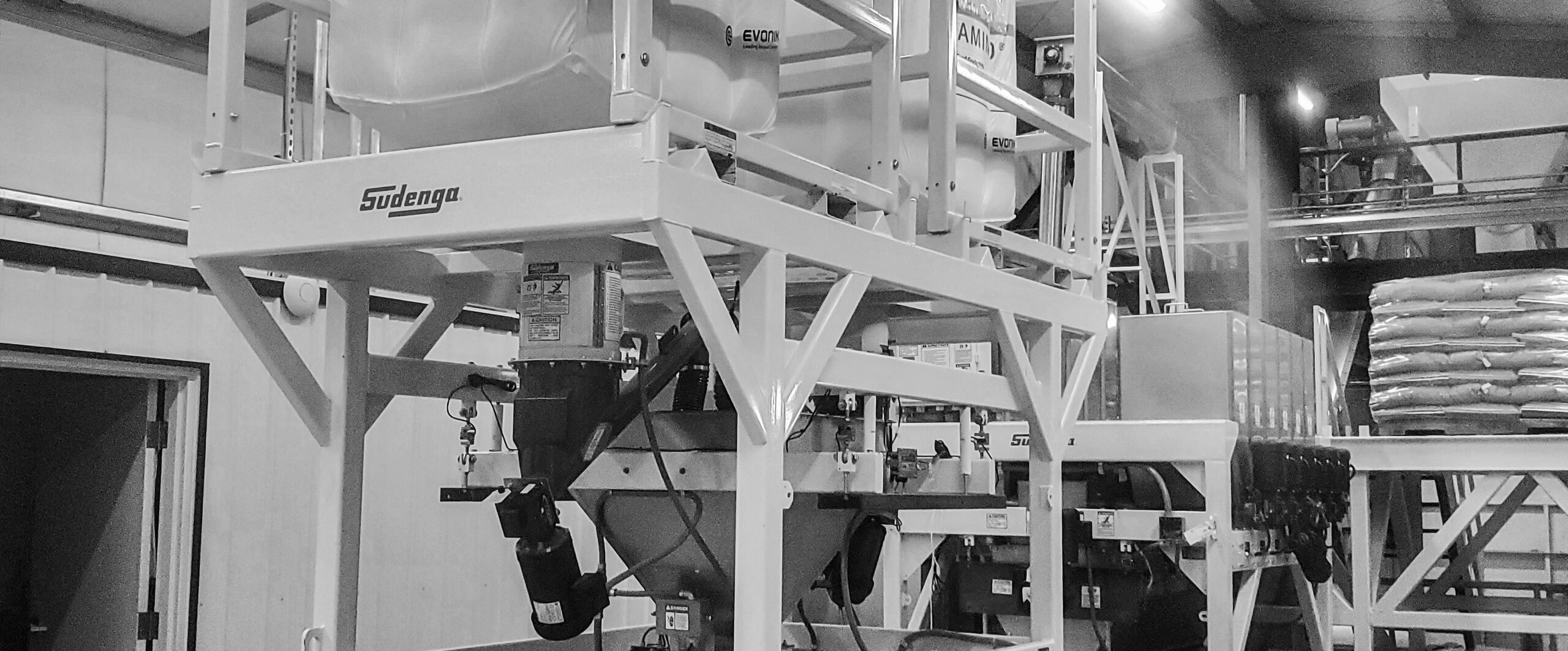
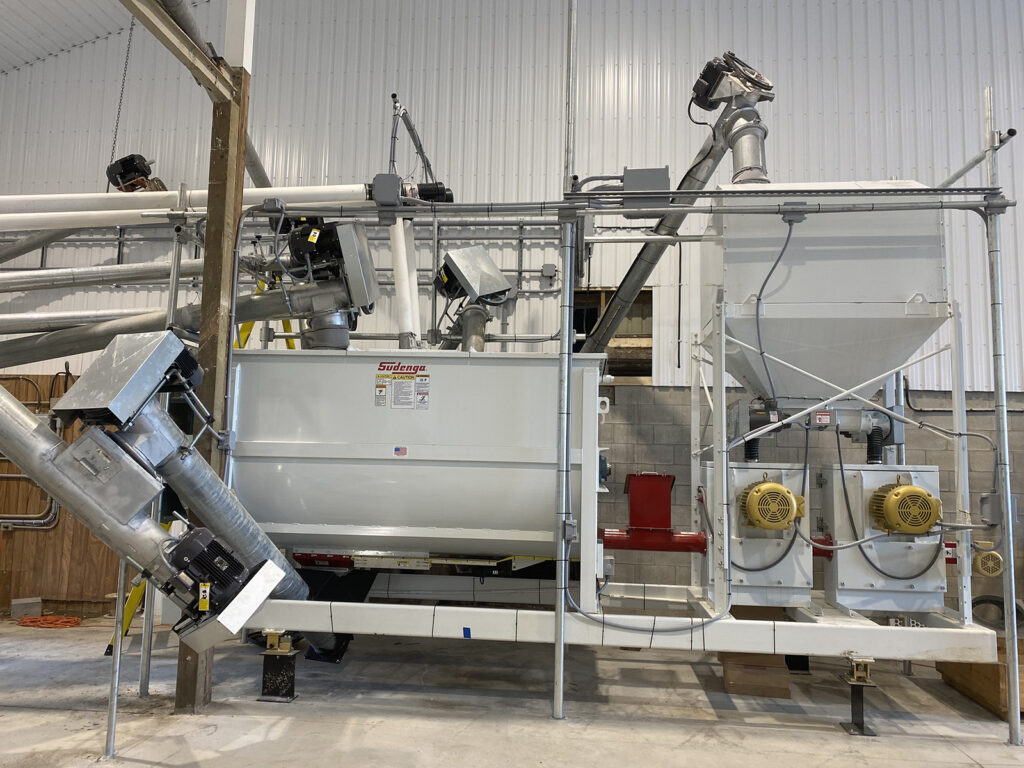
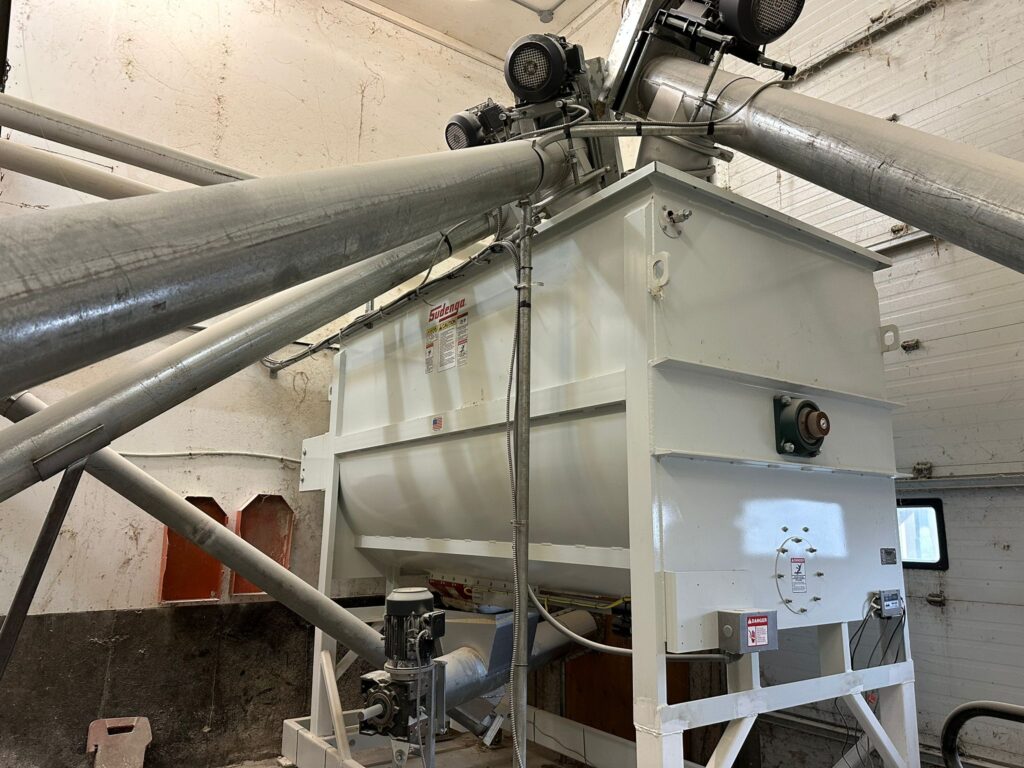
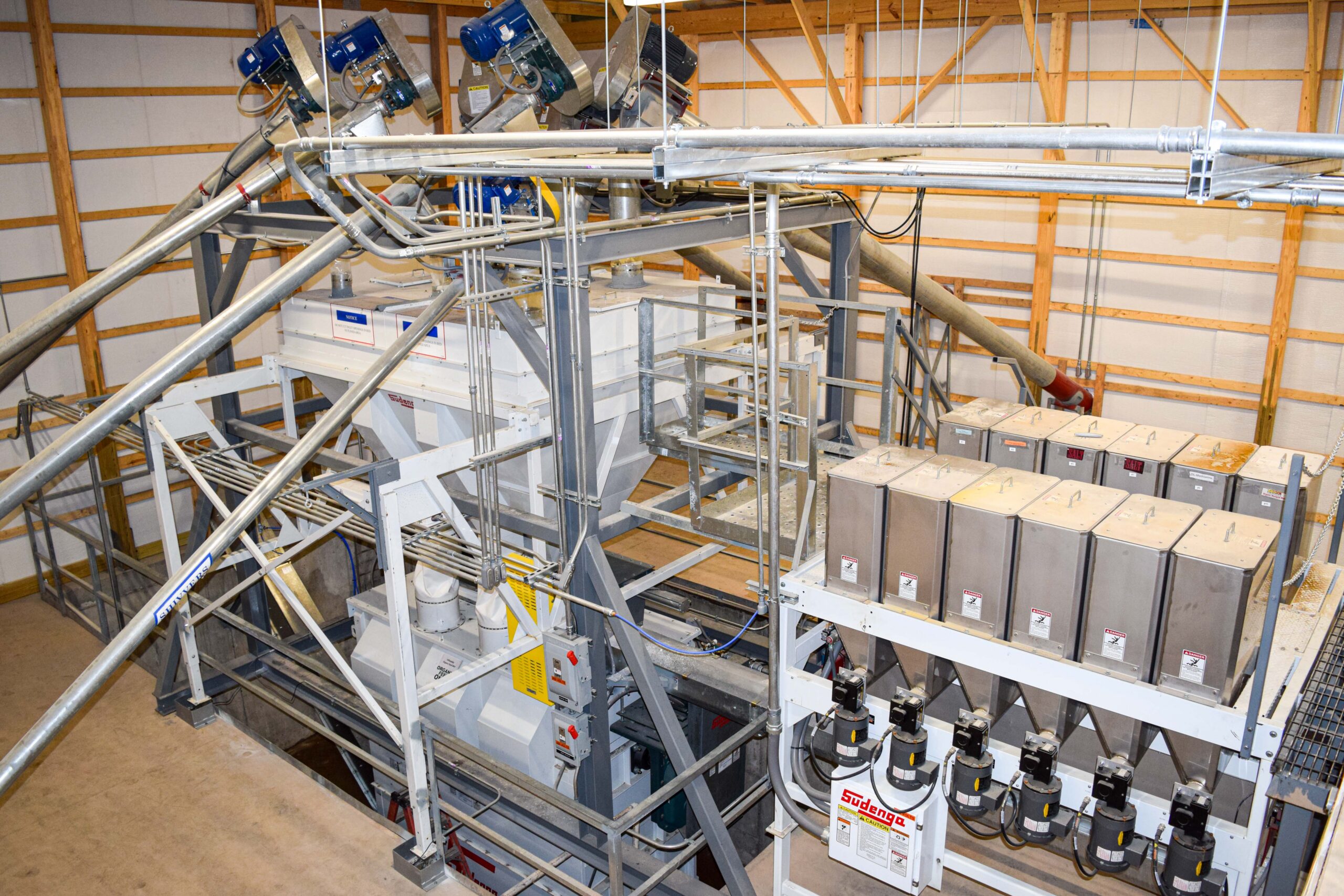
On-farm feed production can be as straightforward as adding a hammer mill to an existing process, or it can include a batching skid or a complete feed mill with automation. Contact a Sudenga feed specialist or local dealer to help you work through the questions and determine what type of system fits your operation.
Next in the series: How to Size an On-Farm Feed Mill will look at feed demand, production schedules, equipment capacity and future growth.
SUDENGA IS YOUR TRUSTED SOURCE FOR FEED PROCESSING, HANDLING, AND AUTOMATION EQUIPMENT SOLUTIONS